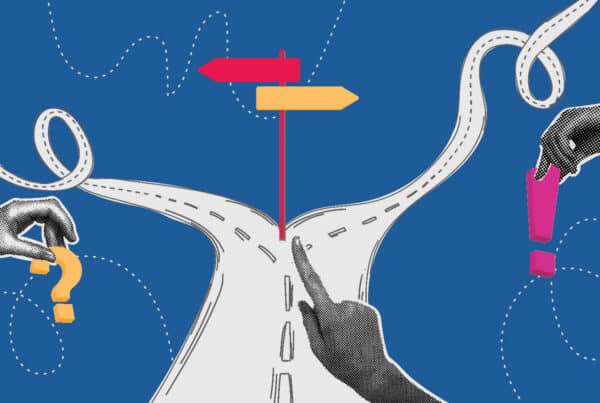


In hospitality, brand loyalty can be powerful, but it’s never guaranteed. Many of the industry’s most established brands built their success serving Baby Boomers. Now, they face a difficult balancing act: staying relevant to younger audiences without alienating the loyal customers who made them successful in the first place.
That matters, because Gen Z has become a major force in both dining and entertainment. One 2026 hospitality report found that 78% of Gen Z consumers dine in at least once a week, while 25% are increasing their visits to full-service restaurants.
The answer isn’t reinvention. It’s evolution.
A strong hospitality marketing strategy gives a brand room to change without sacrificing the things people already love about it. That takes a clear understanding of what made the brand successful, what customers now expect, and which trends represent meaningful behavioral shifts rather than a “TikTok flavor-of-the-week” obsession.
Why Hospitality Marketing Strategy Has to Juggle Generational Wants
Today’s consumer landscape spans multiple generations with very different expectations.
Boomers tend to value things like consistency, service, and familiarity. Gen X and Millennials have come to expect convenience, customization, and digital integration. Gen Z places greater emphasis on authenticity, visual appeal, speed, and cultural relevance.
Those are broad patterns, of course. None of these cohorts behave as one neat audience segment. But younger consumers have spent their entire lives surrounded by choices, recommendations, and instant access to whatever catches their attention next.
Familiarity alone is rarely enough to guarantee loyalty.
That behavior is visible across entertainment, where 59% of Gen Z consumers say they habitually subscribe, binge, and then unsubscribe from streaming services to watch a particular title. Streaming habits aren’t a direct stand-in for restaurant or hotel loyalty, of course, but they help illustrate how little inertia younger consumers feel toward an established brand when something more interesting appears.
Hospitality brands are competing in that same attention economy. Younger customers increasingly use social video, online reviews, and digital recommendations to decide where they eat, where they stay, and what they do next. A brand that doesn’t show up in those spaces risks becoming invisible to the next generation of spenders.
This is where strategic marketing becomes essential. Hospitality brands need to identify where they can authentically intersect with emerging behaviors without becoming unrecognizable in the process.
Decide What the Brand Needs to Protect
Before deciding what to change, a brand needs to know what shouldn’t.
That sounds obvious, but companies often mistake familiarity for brand equity. Not everything old is sacred, and not everything new is an improvement.
Customer research, focus groups, social listening, and performance data can help separate meaningful brand assets from things that have simply been around for a long time. The goal is to identify the products, experiences, and emotional associations that keep loyal customers coming back.
For a restaurant, that may include signature menu items, a familiar service style, or the sense of occasion attached to dining there. For a hotel, it may be a particular level of personal attention, a recognizable atmosphere, or a tradition guests associate with the property. An entertainment venue may have rituals, events, or community connections that matter far more than its visual identity suggests.
If customers would immediately miss something if it disappeared, it’s probably part of the core. If nobody can explain why it still exists beyond “we’ve always done it this way,” it’s probably ready for another look.
How Hospitality Brands Can Evolve Without Losing Their Identity
Once the core is clear, brands have room to modernize around it.
Several parts of the customer experience can be reimagined while remaining true to the people who already know and trust the brand:
- Refreshing visual branding and physical spaces. Updated design, lighting, signage, and presentation can make a location feel current and more visually interesting without erasing its history.
- Introducing limited-time products or experiences. Seasonal menu items, special packages, and short-run events give customers something new to try without requiring permanent changes to core offerings.
- Using short-form video and carefully chosen partnerships. Social content can put a familiar brand in front of younger audiences, especially when it shows a genuine experience instead of attempting to imitate whatever happened to go viral last week.
- Improving digital ordering and loyalty programs. Online ordering, mobile rewards, easier booking, and frictionless payment can remove unnecessary obstacles from the customer journey.
- Creating timely reasons to return. Seasonal activations, watch parties, cultural moments, and event-based promotions can bring fresh energy to established concepts.
- Making convenience part of the experience. Delivery, takeout, mobile check-in, and flexible booking options should make the brand easier to use while preserving the service customers expect.
These ideas won’t be equally relevant to every hospitality brand. The strategy should begin with the customer and the brand, then select the trends that serve them both.
Technology Should Support Hospitality
Digital convenience is now a baseline expectation for many customers. They want to find information quickly, make reservations without calling, order from a phone, pay without waiting, and receive rewards that are actually worth using.
That does not mean every customer wants technology to replace human interaction.
QR codes can save time, but they can’t make a guest feel welcome. A mobile app can streamline an order, but it shouldn’t punish the customer who would rather speak with a person. Loyalty technology can encourage repeat visits, but no number of automated emails can compensate for slow service or an underwhelming experience.
The strongest approaches are the ones that give customers options. Digital tools can handle routine friction while employees focus on the moments that require judgment, warmth, and attention. Hospitality still needs to feel hospitable.
How to Separate a Lasting Shift From a Passing Trend
Hospitality brands don’t need to chase every new platform, food craze, or cultural moment. They do need a way to decide which trends deserve attention.
Before investing, ask:
- Does it fit the audience? A trend with enormous reach may still be irrelevant to the customers the brand has or wants to attract.
- Does it fit the brand? The idea should feel believable coming from this particular restaurant, hotel, or entertainment concept.
- Does it reflect a behavior or just a format? Platforms and creative formats change fast, but the underlying behavior may last much longer. TikTok may eventually lose ground, but visual discovery and peer recommendations are here to stay.
- Can the operation deliver it well? A promotion that strains the kitchen, frustrates staff, or creates a disappointing guest experience can do more damage than good.
- Can its value be measured? Brands should know what they expect the idea to accomplish, whether that means increasing repeat visits, loyalty enrollment, social engagement, or average check size.
Testing and iteration make this process considerably safer. A limited-time offer, small media campaign, single-location pilot, or seasonal activation can reveal whether a trend has real appeal before it becomes a permanent investment.
Some trends will fail, but if the test was designed properly and the brand didn’t bet the farm on it, the failure is still a valuable learning experience.
What Smart Brand Evolution Looks Like
Chili’s offers a useful recent example of an established brand finding renewed relevance without pretending to be a completely different restaurant.
The company refocused attention on the things customers already associated with Chili’s, including burgers, fajitas, margaritas, and the Triple Dipper. It simplified parts of the menu, invested in the restaurant experience, and marketed familiar products in ways that fit current conversations around value and social dining.
The Triple Dipper became a social media phenomenon through videos of highly photogenic cheese pulls. Chili’s responded with Nashville Hot Mozz, merchandise, and culturally timely promotions rather than treating the attention as an amusing accident. The company later reported selling 41 million Triple Dippers during its 2025 fiscal year.
That activity was part of a much broader operational and marketing effort. Brinker International reported that marketing investment and improvements to the dining experience helped drive 21.9% total revenue growth and a 22.7% increase in Chili’s same-store sales during fiscal 2025.
The useful lesson isn’t that every restaurant needs a viral appetizer. Chili’s found a contemporary way to present something that already belonged to the brand. The product was familiar. The cultural packaging around it was new.
Create a Layered Hospitality Experience
The business case for evolving is clear.
When it comes to dining out, 53% of consumers say they go out to treat themselves, while 45% say they go out to socialize. The emotional reason behind the decision can matter as much as the product being purchased.
Hospitality brands should build experiences that give different customers more than one way to enjoy them. That might mean keeping core menu favorites while introducing limited-time items, offering attentive personal service alongside digital convenience, or maintaining a recognizable atmosphere while creating moments people want to share.
Overcorrecting toward Gen Z can feel inauthentic and push away loyal customers. Ignoring younger audiences can limit long-term growth. Brands that manage both create layered experiences where a Boomer feels comfortable, a Millennial feels accommodated, and a Gen Z customer feels engaged.
That balance will look different for every brand. The point is to remain recognizable while giving people new reasons to pay attention.
Turn Hospitality Trends Into Something the Brand Owns
Watching consumer behavior is a critical part of hospitality marketing. Knowing what to do with that information is where strategy comes in.
Point has spent more than 30 years working with hospitality brands. We use research and analytics to identify which changes matter, then bring strategy, creative, media, and digital together to turn those insights into action.
Our job is to find the relevant idea within a trend and turn it into something your customers recognize as your own.
If your hospitality marketing strategy could use a fresh look, let’s chat about that.